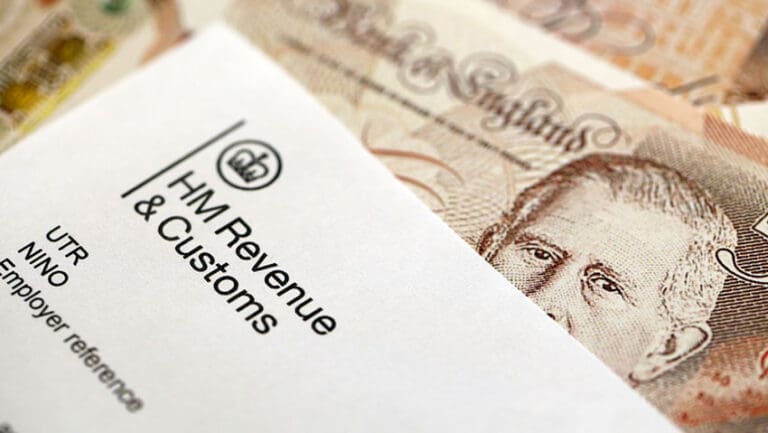
HMRC is reviewing around 45 million PAYE accounts to identify people who have paid too much or too little income tax, with P800 tax calculation letters already being issued and checks continuing until November 2026.
The exercise is the tax authority’s annual PAYE reconciliation, which matches the tax actually deducted from pay over the year against what each employee should have paid. Overpayments are being prioritised, meaning workers who are owed money will be contacted first.

Being told a refund is due, however, does not necessarily mean the money will arrive on its own. HMRC has changed the process for most workers claiming refunds that cover multiple years, and once a claim has been processed they now need to actively request their repayment. The change matters because the money left on the table is already substantial: more than 730,000 tax refunds went unclaimed last year, at an average of £855 each.
The timetable is worth noting for anyone who has not yet heard anything. HMRC’s guidance says tax calculation letters are sent out between June and March of the following tax year, so silence in August is not evidence that a PAYE record is correct.
Why umbrella workers are more exposed
The UK’s estimated 700,000 umbrella workers have particular reason to pay attention. They are taxed through PAYE in the same way as other employees, but they move between assignments and may switch umbrella companies or other PAYE employers more frequently, which makes keeping track of tax codes and HMRC records harder.
HMRC itself says people can pay the wrong amount of tax after finishing one job and starting another, or because they have been put on the wrong tax code. Its own guidance for umbrella employees tells them to keep payslips and to check that the tax and National Insurance deducted matches their personal tax account.
Seb Maley, chief executive of Qdos, an insurance provider for flexible workers, said the UK’s “estimated 700,000 umbrella workers should pay particularly close attention. Moving between assignments and PAYE employers means there can be more changes to keep track of. HMRC itself recognises that starting and finishing jobs can result in people paying the wrong amount of tax. So if you work flexibly, don’t assume your tax position is automatically correct.”
He added: “And crucially, being told you’re owed money by HMRC doesn’t always mean it will simply land in your account. Depending on the circumstances, you may still need to actively claim it. More than 730,000 refunds went unclaimed last year, averaging £855. If you receive a P800, check the figures carefully, follow HMRC’s instructions and make sure you claim anything you’re owed.”
The umbrella sector has been under scrutiny for years, with the Recruitment and Employment Confederation among those urging recruiters to check compliance at the umbrella firms they use, and payroll deductions in the model have repeatedly proved harder for workers to follow than standard employment.
Underpayments and the scam risk
The reconciliation cuts both ways. Where too little tax has been paid, HMRC will usually collect the outstanding amount automatically through PAYE, so an unexpected letter can mean a lower take home figure rather than a cheque. That adjustment reaches the worker through their employer’s payroll rather than through a separate bill, and the checks generating those letters run until November.
There is also a fraud dimension. HMRC has warned that it will never ask customers to claim a refund by replying to a text message or an email, which makes the current round of genuine letters a useful cover for scammers. Anyone contacted out of the blue with an offer to process a rebate should treat it as suspect and go to HMRC’s own channels instead.