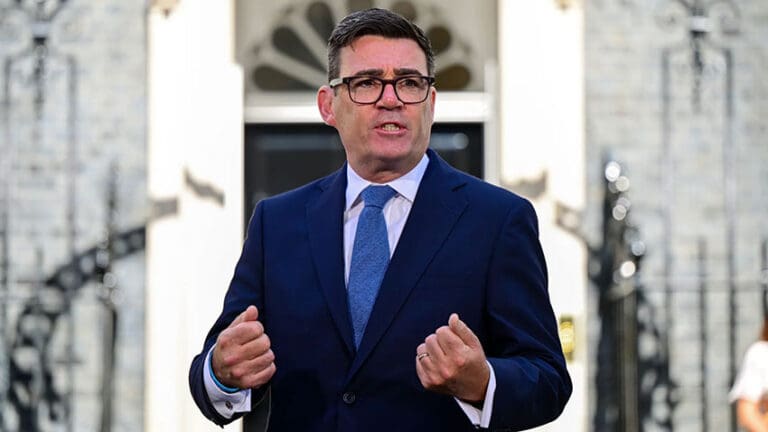
Andy Burnham has scrapped VAT on household electricity bills in the first economic act of his premiership, a cut worth around £45 a year on a typical bill and paid for by pulling the plug on Sir Keir Starmer’s digital ID scheme. For most business owners, though, the relief stops at the domestic meter.
The 5 per cent levy comes off bills on 1 October, timed to feed through to the next Ofgem price cap, and is expected to cost the Treasury £850 million this year. According to Downing Street’s announcement, the saving comes on top of the £150 taken off bills at the last Budget, and all suppliers are expected to pass the reduction on, including to customers on fixed tariffs.

The prime minister, who entered Downing Street on Monday with eight in ten SME owners bracing for impact, said he wanted to “bring back hope” by easing cost of living pressures.
“Westminster has not been working for people for too long, with families struggling with the cost of living,” he said. “That needs to change. I said I wanted to give people breathing space, and that’s what I’m announcing on my second day as prime minister.
“We’re taking immediate action to cut taxes on energy bills, put more money in people’s pockets and bring back hope.”
John Healey, handed the Treasury in the first surprise appointment of the new administration, said the cut would be funded from cancelling the digital ID programme, which had been due to cost £1.8 billion over the next three years.
“For too long, too many people have struggled with the cost of living,” the chancellor said. “Today’s energy tax cut will give families some breathing room on bills, and provide some reassurance this winter.
“This measure is funded this year from cancelling the digital ID programme, and it will help bring down inflation while supporting households in every postcode.”
Who actually benefits
The cut applies to domestic electricity supplies only. Small businesses that qualify for the domestic energy VAT relief and are not registered for VAT will benefit, the Treasury confirmed, along with charities and residential care homes eligible for the reduced rate. Sole traders and the army of home-based businesses will at least see the saving on their household bills.
For everyone else, little changes. VAT-registered firms reclaim the tax on their energy in any case, while commercial supplies sit outside the announcement altogether, and outside any price cap. Nearly four in five businesses reported steep rises in their energy bills over the past year, and campaigners continue to press for household-style protections to be extended to commercial users.
The clearer prize for employers is indirect. The Treasury estimates the cut will shave around 0.10 percentage points off CPI inflation, modest but useful ammunition for firms wrestling with wage demands and waiting on cheaper borrowing.
One wrinkle for Northern Ireland: EU VAT rules still apply there, so the Executive will instead receive comparable funding to support households directly.
‘It doesn’t go far enough’
The Liberal Democrats were unimpressed. “I don’t think it’s the best way to help people with energy bills and it doesn’t go far enough, but at least it’s something, isn’t it?” Sir Ed Davey told BBC Breakfast, claiming his party’s alternative plan would deliver double the household savings.
Davey called for a Budget “as soon as possible” so that people can see “the real Mr Burnham”, adding: “Let’s get around the table and sort these things out for our country.”
That Budget is where the real answers lie. Any further action, including funding beyond this financial year, will be set out alongside a full OBR forecast. Business owners will then discover whether the new prime minister’s breathing space extends beyond the household front door.