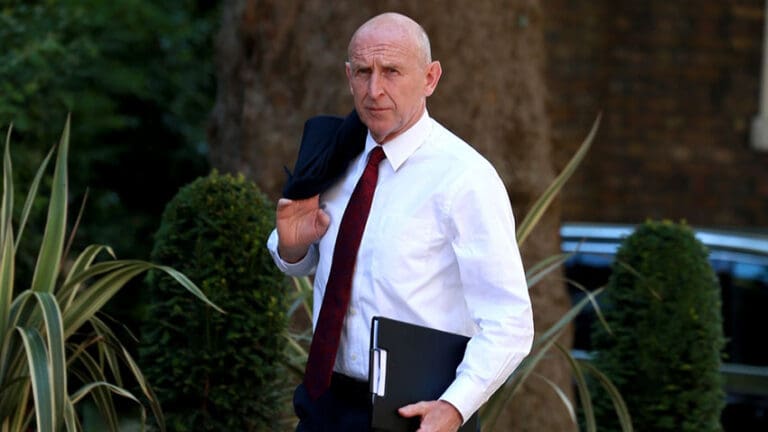
The public finances have produced their first pleasant surprise of the fiscal year, and it landed on John Healey’s desk barely a day after he took the keys to No 11. Government borrowing fell to £16 billion in June, undershooting official forecasts for the first time since April, and the new administration marked the moment by scrapping VAT on household energy bills.
Figures from the Office for National Statistics show borrowing was down sharply from £23.3 billion in May and £4.7 billion lower than the £20.7 billion recorded in June last year.

Crucially for a Treasury under new management, the outturn was £300 million below the £16.3 billion pencilled in by the Office for Budget Responsibility. City forecasters had expected a bill of £18 billion.
Two forces did the heavy lifting. Tax receipts climbed to £91.6 billion, up from £85.4 billion in June 2025, with income tax, VAT, national insurance and corporation tax all contributing more. Business owners weighing up their own quarterly payments will recognise where much of that improvement comes from.
The second was the debt interest bill, which fell to £11.3 billion from £16.6 billion a year earlier, helped by lower than forecast spending on inflation-linked bonds. That matters well beyond Whitehall: the cost of government debt sets the tone for the swap rates that price fixed-rate business loans and commercial mortgages, so any sustained easing eventually reaches the high street lending desk.
Before anyone in the Treasury orders celebratory biscuits, the fuller picture is less kind. Three months into the fiscal year the government has borrowed £57.6 billion, £2.7 billion above the OBR’s £54.9 billion forecast for the period, after significant overshoots in April and May. One good month has narrowed the gap, not closed it.
That is the arithmetic confronting Healey, the surprise pick for chancellor in Andy Burnham’s first act as prime minister. He has said he will make “fiscal credibility … the bedrock for economic stability and for national security”.
“The prime minister and I have talked about how we will work in lockstep to meet the fiscal rules with a buffer against uncertainty and how we’ll make life more affordable for working people right across the UK,” he added.
Burnham and his allies have committed to the previous government’s fiscal rules, which require day-to-day spending to be funded from tax revenues and the debt burden to fall by the end of the parliament. For SMEs, that promise cuts both ways. It should steady the gilt market that feeds their borrowing costs, but with the year-to-date overshoot still standing, it keeps the possibility of revenue-raising measures firmly on the table for the autumn Budget.
The affordability half of the bargain arrived on Tuesday morning, when Burnham announced the removal of the 5 per cent VAT charged on domestic energy bills from October, a cut ministers had been floating since last autumn. The policy is expected to take about £45 off a typical annual household bill at an estimated cost of £850 million, funded by scrapping the digital ID programme, which had been set to cost £1.8 billion over three years.
Consumer-facing firms will take any addition to household spending power gladly, though owners will note the cut applies to domestic bills only. Business premises are untouched.
For now, the reading for Britain’s business owners is cautiously positive: cheaper debt servicing, forecasts beaten, and a government funding its first giveaway by cancelling a programme rather than raising a tax. Whether that discipline survives contact with the autumn Budget is the question that matters.