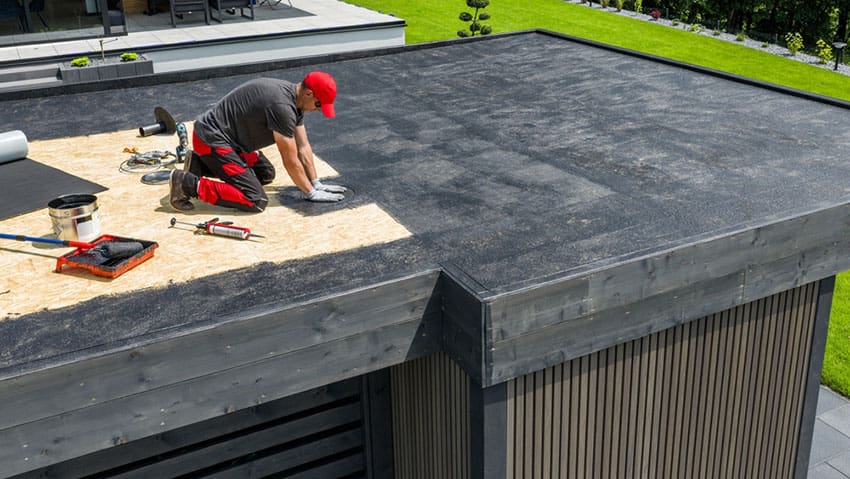
Choosing the right roofing style is one of the most important decisions for any property owner in the UK. The roof plays a vital role in protecting a building from rain, wind, temperature changes, and other environmental factors.
When planning a new build, extension, or roof replacement, many homeowners find themselves deciding between a flat roof and a pitched roof.

Both roofing systems have distinct advantages and limitations. The best choice often depends on factors such as property design, budget, maintenance expectations, and local weather conditions. Understanding how each option performs in the UK’s climate can help property owners make an informed decision.
Understanding Flat Roofs
A flat roof is designed with a very slight slope that allows rainwater to drain away. Although referred to as “flat,” these roofs are not completely level. Modern flat roofing systems are commonly constructed using materials such as EPDM rubber, fibreglass, or high-performance felt. Flat roofs have become increasingly popular for home extensions, garages, garden rooms, and contemporary residential properties. Their clean, modern appearance makes them attractive for modern architectural designs. This growing demand can be seen in areas such as flat roofing Watford projects, where homeowners often choose flat roof systems for their practicality, cost-effectiveness, and sleek appearance.
One of the primary advantages of a flat roof is affordability. Installation costs are generally lower because fewer materials are required, and construction is typically faster than a pitched roof. Flat roofs also provide easy access for inspections, repairs, and maintenance. Another benefit is the potential use of roof space. Many property owners choose to incorporate roof terraces, solar panels, or green roofing systems on flat roof structures.
Understanding Pitched Roofs
A pitched roof features two or more sloping sides that create an angled structure. This traditional roofing design is commonly seen across the UK and has been used successfully for centuries. Pitched roofs are particularly effective at directing rainwater away from the property. Their steep angles help prevent water accumulation and reduce the risk of leaks caused by standing water.
These roofs also offer additional attic or loft space, which can be used for storage or converted into living accommodation. For homeowners seeking long-term value, a pitched roof often provides greater durability and lifespan compared to many flat roofing systems.
The classic appearance of a pitched roof complements a wide range of architectural styles, making it a preferred choice for many traditional homes.
Flat Roof vs Pitched Roof Comparison
Feature
Flat Roof
Pitched Roof
Cost
Lower installation cost
Higher initial cost
Lifespan
25–40 years
50+ years
Rain Performance
Needs drainage system
Excellent natural runoff
Maintenance
Easier access, more frequent checks
Less frequent but harder access
Energy Efficiency
High with proper insulation
High with loft insulation
Usable Space
Can be used for terrace/solar panels
Provides loft/attic space
Weather Resistance
Good when properly installed
Excellent in heavy rain/snow
Aesthetic Style
Modern, minimal
Traditional, classic
Performance in UK Weather Conditions
The UK climate includes frequent rainfall, strong winds, frost, and occasional snowfall. These conditions place constant pressure on roofing systems throughout the year.
Rainfall Performance
Pitched roofs perform extremely well in heavy rainfall because water naturally flows down the slopes into guttering systems. Flat roofs rely on drainage systems, and while modern materials are highly effective, proper installation is essential to avoid water pooling.
Wind Resistance
Both roof types can perform well in windy conditions when properly designed. Pitched roofs may experience more wind uplift on exposed areas, while flat roofs can benefit from a more aerodynamic surface. Installation quality is the most important factor in both cases.
Snow and Ice
Pitched roofs allow snow and ice to slide off easily, reducing structural load. Flat roofs can retain snow for longer periods, which may increase weight. Modern structural design accounts for this, but proper engineering is essential.
Energy Efficiency
Energy efficiency is becoming increasingly important for homeowners looking to reduce energy costs.
Pitched roofs often provide additional insulation opportunities through loft spaces. These air pockets can help regulate indoor temperatures throughout the year.
Flat roofs can also achieve excellent thermal performance when fitted with modern insulation systems. In many cases, the overall energy efficiency depends more on insulation quality than roof shape alone.
Maintenance Requirements
Every roofing system requires ongoing maintenance to maximise its lifespan.
Flat roofs typically need more frequent inspections to ensure drainage systems remain clear and that membranes remain intact. Because the surface is accessible, maintenance is often simpler and safer to carry out.
Pitched roofs generally require less routine attention. However, repairs can be more complex due to height and accessibility challenges. Missing tiles, damaged flashing, and gutter issues should be addressed promptly to prevent water ingress.
Professional inspections help identify minor problems before they develop into costly repairs.
Lifespan Comparison
Roof longevity is a major consideration for property owners making long-term investments.
A well-installed pitched roof can often last 50 years or more, depending on the materials used. Slate and clay tile systems may last significantly longer with proper maintenance.
Modern flat roofing systems have also improved dramatically in recent decades. High-quality EPDM and fibreglass roofs commonly achieve lifespans of 25 to 40 years when professionally installed and maintained.
The lifespan of either roofing system depends heavily on workmanship, materials, and regular maintenance.
Cost Considerations
Budget frequently influences roofing decisions.
Flat roofs generally have lower installation costs because they require fewer structural components and less labour. This makes them particularly attractive for extensions and smaller structures.
Pitched roofs involve more complex construction and greater material usage, resulting in higher upfront costs. However, many homeowners view the increased durability and longevity as a worthwhile long-term investment.
When evaluating costs, it is important to consider both initial installation expenses and future maintenance requirements.
Which Roof Is Best for UK Weather?
There is no universal answer because the ideal roofing solution depends on individual property requirements.
For homeowners seeking a traditional appearance, excellent rainwater management, and maximum longevity, a pitched roof is often the preferred choice.
For modern properties, extensions, and projects where budget efficiency and usable roof space are priorities, a flat roof can provide excellent performance when installed using high-quality materials and proper drainage systems.
Many experienced roofing professionals, including reputable roofers in St Albans, recommend choosing a roofing solution that aligns with the property’s design, functional requirements, and long-term maintenance goals, rather than making a decision based solely on current trends.
Frequently Asked Questions
1. Are flat roofs suitable for heavy UK rainfall?
Yes. Modern flat roofing systems are designed with slight slopes and efficient drainage systems that allow water to drain effectively when installed correctly.
2. Which roof type lasts longer?
Generally, pitched roofs have a longer lifespan and can last 50 years or more. Modern flat roofs can also provide decades of service with proper maintenance.
3. Is a flat roof cheaper than a pitched roof?
In most cases, yes. Flat roofs typically require fewer materials and less labour, making them more cost-effective to install.
4. Which roof is more energy efficient?
Both roof types can achieve excellent energy efficiency. The quality of insulation and installation has a greater impact than the roof design itself.