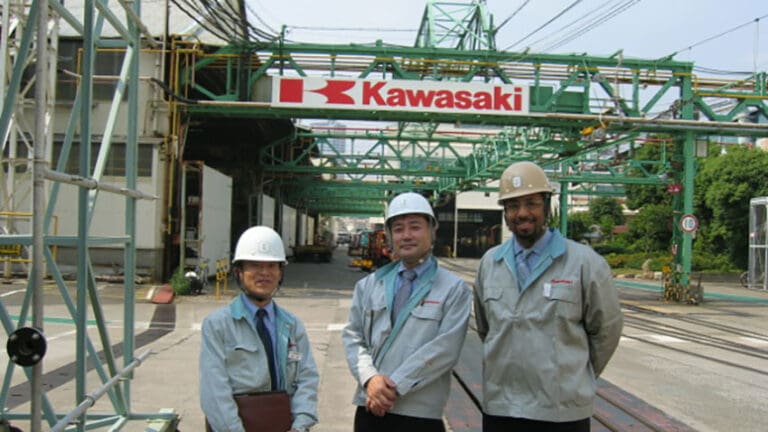
Omar Messado is a procurement professional with decades of experience leading strategic sourcing, contract management, and transportation infrastructure initiatives.
Born in Jamaica, West Indies, he moved to the United States at the age of ten and grew up in New York City. Watching his parents build successful careers through hard work taught him the value of integrity, discipline, and perseverance.

After graduating with First Honors from Rice High School, Omar earned a Bachelor of Business Administration in Finance from Iona College. He later completed coursework in Financial Planning at Pace University before earning a Master of Science in Civil Engineering and Transportation Management from the Polytechnic Institute of New York University. This unique blend of business and engineering has shaped his practical approach to solving complex procurement challenges.
Throughout his career, Omar has held leadership positions with the Metropolitan Transportation Authority (MTA), Metro-North Railroad and Kawasaki Rail Car. He has overseen major procurement programs, construction and infrastructure projects, contract negotiations, and operational improvements while building strong relationships across organisations. He is recognised for his fairness, strategic thinking, and ability to lead teams through complex projects.
Omar believes leadership is measured by the success of the people around you. He has dedicated much of his career to mentoring colleagues, recognizing individual contributions, and creating opportunities for others to grow. Guided by the advice, “Say what you mean and mean what you say,” he has built a reputation for honesty, accountability, and collaboration. Outside of work, he enjoys cycling, swimming, volunteering, and giving back to his local community.
Omar Messado: Building a Career Through Leadership, Integrity and Mentorship
Q&A with Omar Messado
Q: Tell us about your early years. How did they influence your career?
I was born in Jamaica, West Indies and moved to the United States when I was about ten years old. Growing up in New York gave me many opportunities, but it also taught me the importance of working hard. My father was an electrical engineer for Con Edison, and my mother worked as a corporate secretary. Watching them succeed through dedication shaped my own work ethic.
Q: What first attracted you to procurement and contract management?
I have always enjoyed solving problems and finding practical solutions. My education in finance gave me a strong business foundation, while my Master’s degree in Transportation Management from Polytechnic’s Civil Engineering Program helped me understand large construction and infrastructure programs. Procurement allows me to combine both. Every project requires planning, communication and sound judgement.
Q: Your career has included leadership roles with Metro-North Railroad, the MTA and Kawasaki Rail Car. What have those experiences taught you?
Every organization is different, but one lesson never changes. Leadership is about people first. Whether I was supporting rolling stock procurement, construction and infrastructure projects or strategic sourcing, success depended on building trust across teams and departments.
Q: Is there one project that stands out?
Yes. While working at Kawasaki, I was responsible for helping close out a contract in Boston that had become commercially challenging. Management wanted the programme completed before the end of the financial year.
The contract appeared to require a significant payment to the customer. Rather than accepting that as the only solution, I suggested providing a package of valuable deliverables instead. The customer agreed because it addressed their current operational needs while allowing both sides to reach a fair and equitable outcome. We formally amended the contract and successfully completed the project before the deadline. It showed me that negotiations do not always have to produce winners and losers. Sometimes the best outcome comes from looking at the problem differently.
Q: What qualities do you believe make an effective leader?
First, stay open to learning from everyone, including the people you supervise. Give credit where it is earned. Accept that mistakes will happen, but use them as opportunities to improve rather than reasons to assign blame. Leadership is not about controlling people, it is about serving and protecting them.
Strong organization is also essential. Leaders need to manage multiple priorities while thinking strategically and reducing unnecessary risk.
Q: Has anyone had a lasting influence on your career?
Absolutely. My mentor, Gennaro “Gene” Sansone, from my earlier career tenure in public service gave me one piece of advice that has stayed with me for decades: “Say what you mean and mean what you say.”
It sounds simple, but it has guided every major decision I have made. Integrity creates trust, and trust creates strong professional relationships.
Q: Have you faced obstacles during your career?
Like many people, I have experienced professional barriers and discrimination. Those moments were difficult, but they also reinforced the importance of staying true to my values. I learned that not everyone will agree with your ideas or support your goals, but you should never compromise your integrity because of that.
There is almost always a way to resolve difficult situations without creating unnecessary conflict.
Q: How do you approach long-term success?
I break large goals into manageable stages. Short-term goals are usually easier because you already have the tools to begin and see them through to fruition. Long-term goals require planning, flexibility and patience.
You also have to accept that circumstances change. Sometimes priorities shift, and successful people know when to adjust their plans while keeping the overall objective in sight.
Q: How do you deal with stressful periods?
Swimming has become one of my best habits. I learned to swim when I turned fifty, and it completely changed how I start my day.
When I finish swimming, my mind feels clear. Yesterday’s problems stay behind me, and I can approach the day’s challenges with fresh energy and better focus.
Q: What does success mean to you today?
Success is not simply reaching a senior position or completing a project. Success is taking time to look back and seeing how many people you helped along the way.
When members of your team grow, achieve their own goals and become successful because you supported them, that is the greatest reward a leader can receive.
I believe leadership is ultimately measured by the positive impact you leave on other people. Your role is not to control them, it is about serving them and protecting them as they grow professionally.