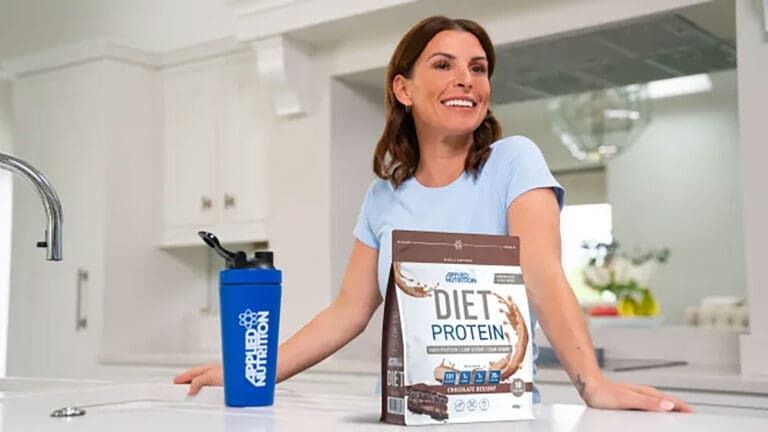
Applied Nutrition, the Liverpool sports supplement maker backed by Coleen Rooney, today reported a 44 per cent rise in annual pre-tax profits to £41m, helped by demand for whey products from people taking weight-loss jabs.

Revenue rose 51 per cent to £162m in the year to 31 July, the company said in its full-year results. It launched a GLP-1-friendly range during the year, aimed at users of weight-loss medications.
The group forecast further growth in the current financial year but flagged ongoing pressure from higher whey prices.
Applied Nutrition said the “very strong momentum within the business” had continued since its year end. It has nonetheless held off raising its guidance for 2026-27, saying “significantly higher” whey prices could weigh on profitability.
The company said the “recent trajectory of raw material prices for whey protein has been to decrease”. However, it expects the cost of whey protein as a raw material to be higher on average this year than last, and said it was raising prices to help offset the increase.
“Notwithstanding a strong first quarter of 2026-27, given that the financial year is still at an early stage, the board believes it is prudent to maintain current market expectations,” it said.
Applied Nutrition still expects underlying earnings to rise to about £49m and sales to increase to around £205m over 2026-27, up from £43.3m and £161.6m respectively in the year just ended.
The group now makes more of its sales from whey-based products. It relaunched its Critical Whey range in its previous financial year to tap into rising demand, and sales of the product rose 142 per cent year on year.
The shift in eating habits linked to GLP-1 drugs has been recorded elsewhere in the food sector. Data from Worldpanel by Numerator showed weight loss jabs cutting about £780m from British grocery bills, while Greggs has said the drugs are moving customer demand towards smaller portions and protein-rich food.
Thomas Ryder, the founder and chief executive of Applied Nutrition, said: “Consumer demand for health, wellness and performance nutrition continues to grow and the market is moving quickly. We stay close to our customers, listen to what consumers want and move fast when we see an opportunity.”
The company said its partnership with Rooney, the wife of former footballer Wayne Rooney, had helped broaden its appeal beyond traditional sports and nutrition shoppers.
Ryder grew up on a council estate in Kirkby and began selling sports supplements at the age of 18 from a shop in the town. He spent years balancing the business with a day job scaffolding for Liverpool city council.
He founded Applied Nutrition in 2014. The company floated in London in 2024 with a valuation of £350m, and its shares have since risen more than 130 per cent. It is now a member of the FTSE 250.
Its first product was Critical Mass, a high-calorie weight-gainer aimed at gymgoers looking to build muscle and gain weight. The range now runs from whey protein powder and pre-workout drinks to protein-rich breakfast smoothies and vitamin and electrolyte boosters.
Applied Nutrition sells its products in more than 100 countries and employs more than 340 staff. It mainly sells to other businesses, including retailers, grocers, gyms and sports clubs.
It has also started to attract consumers from outside traditional fitness markets through licensing deals. During the year it launched a collaboration with Slush Puppie and signed agreements to roll out products under the Sour Patch Kids and Swedish Fish brands.
The group completed its first acquisition in June, buying Nutrablend, a US-based sports nutrition manufacturer, which gives it production capacity in North America.
Analysts at Peel Hunt said the acquisition “brings potential for short-term upside from white-label operations, utilising spare production capacity”.
Peel Hunt raised its target price for the company to 325p. The broker said the results were in line with upgraded expectations and, citing “clear momentum”, upgraded its forecast for earnings before interest, tax, depreciation and amortisation for the 2027 financial year.