Most owners never think about asbestos until a builder stops work mid-job. Yet it sits quietly in thousands of older commercial premises across the country. The material is harmless while left alone, and dangerous once disturbed. For a business owner, that quiet risk carries a real legal duty.
The scale is easy to underestimate. Any property built or refurbished before 2000 may hold it, since the last types were only banned in 1999. Older shops, offices, and workshops sit among the many buildings that contain asbestos materials, and the risk stays hidden until a drill or a refit brings it into the open. Knowing where it lives, and what the law expects, protects both your staff and your budget.

Where Is Asbestos Hiding In Older Commercial Buildings?
Asbestos-containing materials, or ACMs, rarely look dramatic. They blend into fabric that owners walk past every day. That is exactly why a quick visual glance is never enough. Trained surveyors find it in places most people would never check.
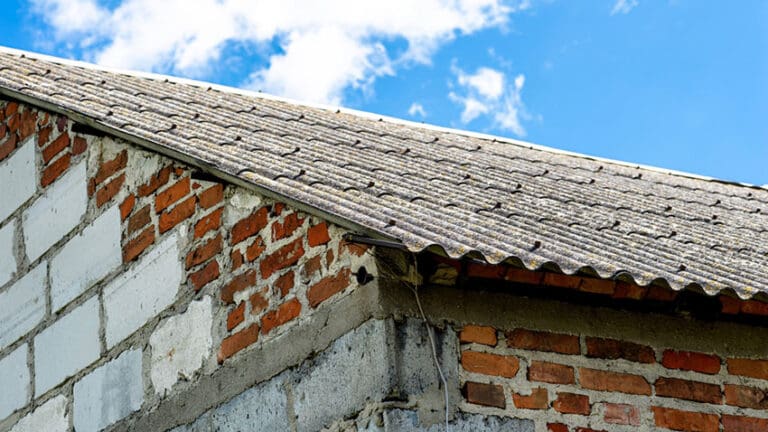
Common spots include pipe lagging, ceiling tiles, and textured coatings such as old Artex. It also turns up in floor tiles, cement roof sheets, and guttering. Asbestos insulating board sat behind many partition walls and fire doors. Any refit from the 1960s to the late 1990s deserves a careful look.
Condition matters as much as location. Sealed, undamaged material in good order poses little immediate threat. Problems start when the surface breaks and fibres drift into the air. So a sound record of what sits where, and in what state, is the real starting point.
What Does the Law Ask of a Business Owner?
The core rule is the Control of Asbestos Regulations 2012. Its heart is a legal duty to manage asbestos in non-domestic premises. This applies whether you own the freehold or hold a repairing lease. It is a duty to control the risk, not always to remove the material.
The duty runs through a clear cycle. You must find out if asbestos is present and record its location. You then assess the risk and write a plan to manage it. That plan needs regular review, and everyone who might disturb the material must be told.
This sits alongside wider workplace safety law. If you are new to a site, the same care applies before you sign. Anyone renting a commercial space should ask for the asbestos register before taking on the lease. A gap in that paperwork can become your problem on day one.
Who Counts as the Duty Holder?
The law puts the duty on whoever controls maintenance and repair. In a leased unit, that role can sit with the landlord, the tenant, or both. The tenancy agreement usually settles the split. Read it closely, because assumptions here get expensive.
Alt text: A clipboard with survey notes on a table inside an old industrial building
Owner-occupiers carry the duty outright. A managing agent may hold it on behalf of a client. Where several parties share a building, the duty can be shared too. The safest move is to name the duty holder in writing and keep that clear.
How Do You Manage Asbestos Once You Find It?
Start with a survey by a competent, accredited surveyor. A management survey covers normal day-to-day occupation of the building. A refurbishment or demolition survey goes further before any works begin. The type you need depends on what you plan to do next.
From the survey you build an asbestos register and a management plan. The register lists each ACM, its location, and its condition. The plan sets out how you monitor it and who acts if it is damaged. Official HSE asbestos guidance sets out these duties in practical detail.
Training closes the loop. Anyone liable to disturb asbestos needs awareness training first, from electricians to shopfitters. This is one of the health and safety rules that owners forget until an inspection lands. A short course is far cheaper than a stop notice or a fine.
When Should You Call a Licensed Professional?
Not every job needs a licensed contractor, but the riskiest ones do. Higher-risk work, such as removing sprayed coatings or insulating board, requires an HSE licence. Lower-risk tasks may be handled under notifiable non-licensed work rules. Guessing the category is the mistake that hurts people.
If material looks damaged, stop and seek advice before anyone touches it. Do not sweep, drill, or bag suspect debris yourself. A qualified surveyor can test a sample and confirm what you are dealing with. Paying for that certainty is always the cheaper path in the end.
A Duty Holder’s Practical Starting Checklist
Confirm in writing who holds the duty to manage for each premises.
Arrange a management survey for any building predating the year 2000.
Build an asbestos register and keep it somewhere staff can find it.
Book awareness training for anyone whose work might disturb the fabric.
Review the plan at least once a year, or after any building work.
Ask for the register before you sign a lease on older premises.
Making Asbestos Management Part of Doing Business
Handled early, asbestos is a routine matter rather than a crisis. The steps are known, the surveyors are accredited, and the paperwork is light once set up. What turns it into a problem is silence and delay.
Treat the duty as ordinary upkeep, like a gas check or a fire drill. Book the survey, keep the record current, and brief your team. Do that, and a hidden risk becomes a managed line in your maintenance file. Your people stay safe, and your business stays on the right side of the law.
Frequently Asked Questions
Does My Business Really Have an Asbestos Duty?
Yes, if you control the maintenance or repair of non-domestic premises. The Control of Asbestos Regulations 2012 place a legal duty to manage on you. This holds even when you rent rather than own. The exact split between landlord and tenant depends on your lease.
How Do I Know If My Building Contains Asbestos?
Age is the first clue. Any building worked on before 2000 may contain it, as the final ban came in 1999. A management survey by an accredited surveyor gives you a proper answer. Never rely on a quick look, because most ACMs are hidden from view.
Do I Have to Remove Asbestos I Find?
Not always, and often you should not. Material in good, sealed condition is usually safer left in place and monitored. Removal is a job for trained contractors and can release fibres if done badly. Your management plan decides whether to manage, repair, or remove.
What Happens If I Ignore the Duty to Manage?
The risk to health is the first and worst outcome. On top of that, breaches can bring enforcement notices and heavy fines. Inspectors can stop work on a site until the issue is fixed.