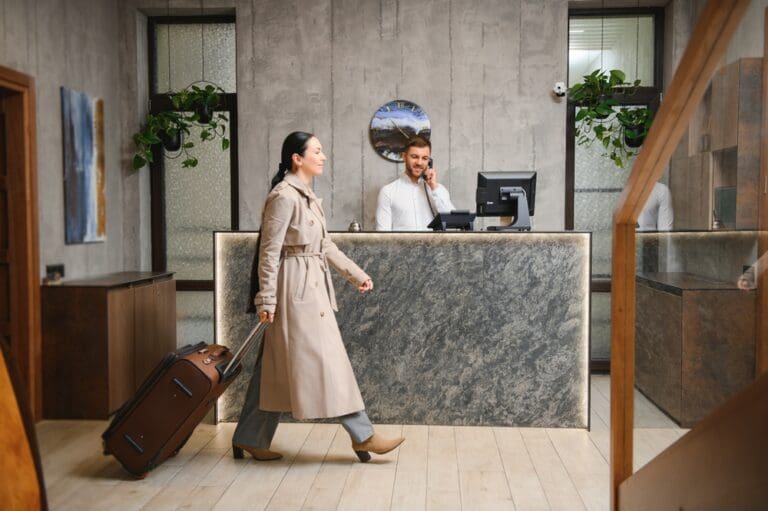
A business trip can look efficient on a calendar: fly overnight, land in the morning, meet the client after lunch. In reality, the gap between “arrived” and “ready” can be enormous.
After little sleep, dry cabin air, airport queues, and a rushed hotel check-in, the first hour in the conference room may feel less like a negotiation and more like damage control.

That is why business travel is not only about the lowest fare or fastest route. It is about protecting your energy for the presentation, interview, factory visit, or partnership meeting ahead.
For a frequent business traveler, the flight is part of the working day.
Why Your Seat Choice Matters On Long-haul Flights
A short flight is one thing. Long-haul flights are different. Once a journey lasts eight, ten, or twelve hours, small comfort compromises add up.
Jet lag disrupts the body’s internal clock, especially when traveling east. The CDC recommends arriving at least two days before an important event when possible. That is not always realistic, but it explains why landing at 8 a.m. should not automatically mean booking a major meeting at 10 a.m.
You cannot change the time zone or cabin conditions. You can make smarter choices about sleep, space, and scheduling.
Why premium economy is worth considering
Business class is excellent when the budget allows it, but the fare difference is hard to justify on every trip.
That is where premium economy can make sense.
Premium economy generally offers a wider seat, more legroom, greater recline, and a smaller cabin than standard economy. It is not business class. Still, on an overnight route, the difference between being able to shift position comfortably and spending ten hours in a tight seat can be substantial.
KLM’s Premium Comfort cabin is one example. The airline describes it as a separate cabin with wider seats, added legroom, increased recline, a footrest, and a larger entertainment screen. Depending on the aircraft, the cabin has 21 to 28 seats.
For a business traveler, this is less about luxury and more about reducing avoidable friction before an important day.
Travel situation
Economy
Premium economy
Business class
Two-hour daytime flight
Usually enough
Optional
Rarely necessary
Eight-hour flight with work after landing
Can be tiring
Often a smart upgrade
Best for demanding schedules
Overnight flight before a major meeting
Higher risk of poor sleep
Strong value option
Ideal where budget permits
The right choice depends on the traveler. Someone leading a workshop hours after landing may value the upgrade far more than someone with a full day to recover.
Calculate the Upgrade Differently
Instead of asking, “Is premium economy worth the extra money?” ask, “What does arriving tired cost me?”
Say an upgrade costs $350 on a ten-hour flight. That is $35 per flight hour. For leisure travel, the answer may still be no. For a client-facing trip where you need to present, negotiate, or make decisions shortly after landing, the calculation changes.
A better seat will not win a deal for you. But better sleep, more room to move, and a calmer cabin may reduce the chance that you arrive distracted, stiff, or unable to focus.
One common mistake is comparing ticket prices without comparing the full itinerary. A cheaper fare with a long layover, poor connection, and early arrival can be more expensive in real-life terms than a slightly higher fare with a smoother schedule.
Business Travel Tips For Arriving Sharper
Avoid landing immediately before the important event. Build in a buffer whenever the meeting has real consequences.
Pick an aisle seat for daytime flights. Easy movement may matter more than a window view.
Choose a window seat when sleep is the priority. You are less likely to be disturbed.
Plan hydration and food. Bring water and avoid relying on alcohol for sleep.
Check the aircraft, not only the airline. Cabin layouts and seat features can vary by route.
The Point Is Not To Fly Expensively
An economy can be right for a quick trip or a journey followed by a rest day. Business class can make sense before a critical meeting. Premium economy often sits in the practical middle: enough extra space and calm to make long-haul flights more manageable without moving into the highest fare bracket.
Before booking, look beyond the ticket price. Consider when you need to perform, how much recovery time you have, and whether the cheaper option creates a false saving.
A flight does not close the deal for you. But arriving clear-headed, prepared, and physically comfortable gives you a better chance to do your best work once the meeting begins.