Britain’s small and medium-sized businesses are quietly rewiring the way they operate, and the trigger is no longer the calendar quarter but the fixture list. From tennis fortnights to stadium residencies and a summer of football, a growing “event economy” is reshaping local trading conditions for thousands of firms, and the smartest operators are planning for it months in advance.
For businesses clustered around stadiums, parks and city-centre entertainment hubs, the pattern is familiar: a sudden, concentrated wave of footfall that tests customer flow, venue capacity and day-to-day operations all at once. New insight from insurer Hiscox suggests these spikes are becoming more frequent, more geographically spread and, crucially, more predictable, which means they can be planned for rather than simply survived.

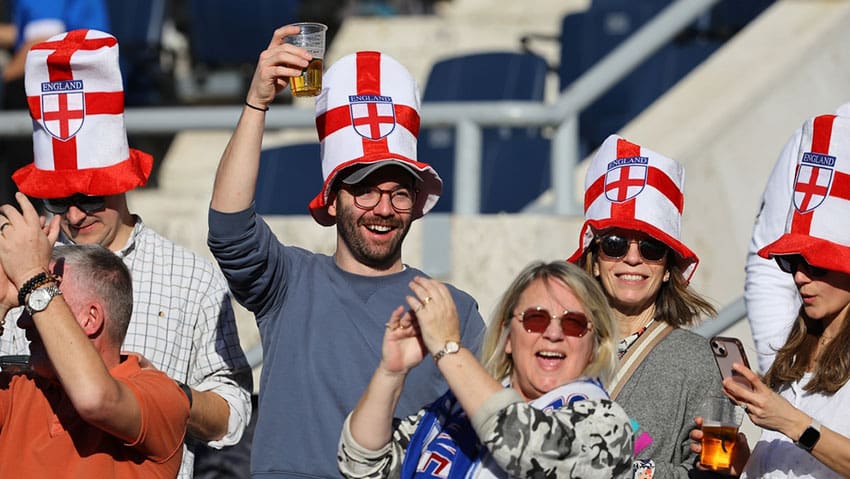
This summer’s football tournament is shaping up to be one of the single largest short-term jolts to UK hospitality demand in years. Some 40 per cent of consumers already plan to book a venue or buy tickets to watch the action, and 47 per cent say they would pay extra for a prime viewing spot. Separate analysis points to an £898m boost for the sector, with roughly 12.4 million fans expected to pour into pubs, bars and restaurants over the course of the tournament. It is a windfall that lands after a punishing few years for hospitality, and one Business Matters has tracked closely as UK pubs, bookmakers and takeaways eye a multibillion-pound spending boost.
There is a regulatory tailwind, too. During knockout fixtures involving the home nations, pubs will be permitted to extend trading hours, staying open until 1am for matches kicking off between 5pm and 9pm, and until 2am for later kick-offs between 9pm and 10pm. The relaxation, set out in The Licensing Act 2003 (FIFA World Cup licensing hours) Order 2026, applies automatically to licensed premises when a home nation reaches the relevant stages, sparing operators the usual scramble for individual Temporary Event Notices.
Simon Ratcliff, Commercial Property and Liability Underwriting Manager at Hiscox, says the operational upside comes with strings attached. “Major tournaments like this year’s summer of football can create sudden and significant changes in how SMEs operate, particularly where businesses adapt their venues for live screenings or experience concentrated demand during match periods,” he says. “This can introduce considerations around venue capacity, customer flow, health and safety procedures and licensing requirements, particularly where businesses are operating later than usual or changing how they normally trade.”
The MATCH framework: a tournament playbook for SMEs
The appetite is already showing up in search data. Queries for “where to watch the World Cup” are up 880 per cent over the past month, according to Google search analysis, while searches for “World Cup screening” have climbed 153 per cent over the same period.
To help businesses convert that interest into well-run, profitable trading, Hiscox is urging SMEs to think MATCH:
M – Monitor demand peaks around fixtures and key match times.
A – Adjust staffing levels ahead of high-attendance games.
T – Track whether temporary changes such as screens, outdoor areas or extended hours are covered under your public liability insurance arrangements, and check that turnover projections remain accurate as trading increases.
C – Control capacity and customer flow to manage queues and congestion.
H – Handle health, safety and licensing requirements for late-night trading and alcohol service.
Ratcliff flags one detail that catches operators out. “If hiring screens or audio-visual equipment for the tournament, venues should check whether hire agreements make them responsible for insuring the equipment while it’s in their care,” he says. “Many AV hire companies have ‘continuing hire charges’, meaning the venue could be liable for any damages, along with lost rental income while items are out of use.”
The rise of the ‘event economy’
The tournament is the headline act, but it is only one date in a far busier diary. SMEs are increasingly operating inside a broader, more sustained event economy that runs the length of the year.
Between June and December alone, the calendar takes in sporting fixtures from Wimbledon and Royal Ascot to Henley Royal Regatta and major football; stadium concerts including Harry Styles’ 12-night Wembley residency across June and July; and a national circuit of music festivals, from Download at Donington Park and Tramlines in Sheffield to TRNSMT in Glasgow, Creamfields in Cheshire, Green Man in Wales and Boardmasters in Cornwall. London adds its own layer, with BST Hyde Park, Notting Hill Carnival, Pride, Taste of London and Wing Fest, the world’s largest chicken wing festival, returning to London Stadium in July 2026. Then come the seasonal staples, from local fireworks displays to Christmas markets.
As these events grow more frequent and more widely dispersed, the planning challenge changes shape. Businesses are no longer bracing for one-off peaks but managing cyclical spikes that recur throughout the year, much as coastal and seasonal firms have long done. It is the same dynamic that saw the summer economy valued at billions and tens of thousands of jobs, now playing out in city centres and stadium districts.
For Ed Savitt, owner of DropShot Coffee in SW19, the tennis championships are not a fortnight of matches but one of the most operationally demanding stretches of the year. As tens of thousands of fans, tourists and media teams descend on the area each summer, the small independent shop turns into a high-pressure operation that takes months to plan.
“Wimbledon completely changes the pace of business for us. We now prepare months in advance across staffing, stock and planning,” Savitt told Hiscox. “Temporary setups require detailed planning around logistics, staffing and approvals, as well as additional operational considerations we don’t normally deal with day-to-day. We also introduced clearer queue systems, adjusted layouts and carried out additional risk assessments to manage crowding and maintain safe working conditions.”
For Common Pizza, the summer calendar brings more than warmer weather. With sites near both Clapham Common and Parsons Green, the pizza and live music chain sits next door to everything from large-scale festivals to Polo in the Park, each bringing its own wave of footfall and timing pressures.
“We see a noticeable uplift in footfall during major summer events on Clapham Common, with customers often spending more time in the area before and after events,” a general manager at Common Pizza told Hiscox. “For Polo in the Park, we expected increased demand during peak arrival and departure times, so we reviewed stock levels and ensured operations were prepared for busier trading periods. The biggest challenge is maintaining service quality while responding quickly to changing demand throughout the day.”
That mix of caution and opportunity reflects the wider mood across hospitality, where operators are weighing a welcome demand boost against thin margins and stubborn costs, a balance the sector knows well as the hospitality sector raises a cautious toast to returning pubgoers. The fundamentals of the tournament economics are encouraging, with the BBC reporting that pubs banked a significant trade boost during England’s recent run at the Euros.
For Ratcliff, the bigger shift is structural. “Major events are increasingly shaping how SMEs plan and operate throughout the year, particularly for businesses located near venues, parks and city event spaces,” he concludes. “What were once considered isolated busy periods are now becoming more regular operational challenges for many SMEs, requiring more proactive planning around how they manage demand, space and safety.”