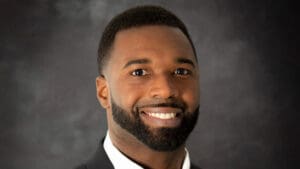
Wade Lyons is a security professional and business leader with nearly two decades of experience in public safety. He is the Chief Executive Officer of Black Onyx Investigations, a firm focused on background investigations, private security, and executive protection services.
He began his career in 2006 with the Austin Police Department. Over the next 17 years, he moved through a range of roles, including patrol, investigations, and strategic intelligence. He later became a Police Commander, where he led both operational units and the department’s training and recruiting division.

In that role, he oversaw programmes that supported more than 2,000 officers and civilian staff. He managed large teams, developed training systems, and helped modernise recruitment efforts. His work included improving hiring standards and expanding community engagement in the training process.
Wade Lyons is known for his structured approach to leadership. He focuses on clear processes, strong accountability, and practical decision-making. His experience reviewing critical incidents and leading large teams shaped how he approaches risk and performance.
In 2024, he moved into the private sector and founded Black Onyx Investigations. The firm supports organisations with hiring decisions, risk assessments, and security planning. His work now centres on helping clients reduce exposure and make informed decisions.
He holds a Master of Science in Criminal Justice and is completing an MBA. His background in law enforcement continues to influence his work in private security.
Q: You began your career in law enforcement. What drew you into that field?
I grew up in Houston and originally planned to go into medicine. During my final semester at Texas A&M, I did a ride-along with a police officer. That experience changed everything. I saw the impact officers could have on people in real time. I applied to the City of Austin shortly after graduating and started my career there.
Q: What were your early years in the Austin Police Department like?
I started in patrol, which is where you learn the job properly. You respond to thousands of calls and see every type of situation. It builds your judgement. I later moved into investigations and worked on cases involving violent crime and narcotics. That period taught me how to manage information, interview people, and build cases step by step.
Q: You later moved into leadership roles. How did that transition happen?
I was promoted through the ranks into supervisory and command roles. As a sergeant and lieutenant, I managed teams and handled operational planning. Eventually, I became a Police Commander. I led area operations and later the Training and Recruiting Division. That role involved managing over 100 personnel and supporting the development of more than 2,000 officers and staff.
Q: What stands out from your time leading training and recruiting?
We had to rethink how we trained officers. One example was moving away from long classroom sessions and introducing scenario-based training. I remember watching an officer go through a simulated call where communication made the difference between escalation and resolution. That moment reinforced how important realistic training is.
Q: Recruiting has been a major challenge for many departments. What did you learn from that experience?
Recruiting is not just about numbers. It is about selecting the right people. I reviewed many background investigations. One candidate had strong test results but showed a pattern of dishonesty in previous jobs. That disqualified him. You cannot train integrity. That lesson stayed with me.
Q: What led you to leave public service and start your own company?
After 17 years, I wanted to apply what I had learned in a different environment. I saw a gap in how organisations handle risk, especially in hiring and internal investigations. In 2024, I started Black Onyx Investigations to focus on those areas.
Q: What does your work look like now?
Most of our work involves background investigations and security consulting. We help organisations verify candidate information and assess potential risks. Each case follows a structured process. We define the scope, collect and verify information, and provide a clear report.
Q: How does your law enforcement background influence your business approach?
In policing, you work within strict procedures. You document everything and base decisions on evidence. I use the same approach in my business. Clients need clear, accurate information. That is what allows them to make informed decisions.
Q: What are the most common issues clients come to you with?
Hiring risk is a major one. Organisations want to know if a candidate’s background aligns with the role. We also see cases involving internal concerns, where companies need a structured review of a situation.
Q: Looking ahead, how do you see your work evolving?
I expect continued growth in private investigations and executive protection. Organisations are paying more attention to risk management. My focus is building systems that maintain quality as we expand.
Read more:
Inside the Career of Wade Lyons: From Officer to CEO