

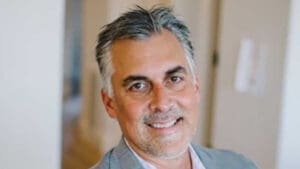
David Ferrera is a medical device engineer, entrepreneur, and inventor with nearly 30 years of experience in neurovascular and interventional medicine.
Based in Lake Forest, California, he has built a career focused on turning clinical ideas into real products that improve patient care.

He began his career at Boston Scientific before moving into more specialised roles in vascular and neurovascular technology. Over time, he co-founded and led several companies, including Micrus Endovascular, MindFrame, and Blockade Medical. Each company focused on solving specific problems in stroke treatment and interventional procedures. These ventures were later acquired by major industry players such as Johnson & Johnson, Terumo, Covidien, and Balt.
Ferrera is now CEO of RC Medical, a venture studio that partners with physicians to develop and commercialise new medical devices. He is also CEO and Chairman of Sonorous Neuro. His work centres on building structured, milestone-driven companies that address real clinical needs.
He holds more than 80 U.S. and international patents and is the author of Innovation in Translation, published by Advantage-Forbes. His approach is grounded in discipline, clear problem definition, and practical execution.
Beyond his professional work, Ferrera has been active in philanthropy, serving as Chair of the American Heart Association’s Orange County Heart & Stroke Ball. His career reflects a consistent focus on building solutions that move from concept to clinical use.
David Ferrera on Building What Actually Works in MedTech
Q: How did your career in medical devices begin?
I started at Boston Scientific in the early 1990s. I had a background in plastics engineering, so I was drawn to how materials and design could solve medical problems. Early on, I realised that the field moves quickly, but only when products actually work in real procedures.
Q: What was your first major step into leadership?
Co-founding Micrus Endovascular was a turning point. We were focused on neurovascular devices. At that time, the space was still developing. We had to build technology while also proving clinical value. That company was later acquired by Johnson & Johnson, which gave me a clear view of how larger organisations evaluate products.
Q: What did you learn from your time at MindFrame?
At MindFrame, I led product development and clinical research. We worked on one of the early mechanical thrombectomy systems for stroke. I remember watching cases where time was critical. Every delay mattered. That shaped how I think about design. A device is not just about function. It is about workflow.
Q: You have been part of several acquisitions. How did that shape your approach?
Each acquisition reinforced the same lesson. You need structure from the start. Regulatory planning, manufacturing, and clinical data cannot be afterthoughts. If those pieces are not aligned early, the company struggles later.
Q: Why did you decide to build RC Medical as a venture studio?
After building individual companies, I wanted a more repeatable model. At RC Medical, we partner with physicians who see problems every day. We validate early. We build in stages. We keep teams lean. It allows us to work on multiple ideas while maintaining discipline.
Q: How do physician partnerships influence your work?
They are essential. Physicians understand where procedures break down. One doctor once showed me a case where a device required multiple exchanges. It added several minutes. That insight led to a redesign focused on reducing steps. That is where real innovation comes from.
Q: What role does Sonorous Neuro play in your current work?
Sonorous Neuro is one of the companies formed through this model. I serve as CEO and Chairman. The focus is neurovascular care. We are working on improving how procedures are performed, especially in stroke intervention. It is about precision and efficiency.
Q: What challenges have you seen in recent years?
Regulatory expectations have increased. Capital is more selective. You cannot rely on momentum alone. You need clear milestones and strong data. That has made discipline even more important.
Q: How do you stay close to what matters in the field?
I spend time with physicians. I review clinical data. I focus on what is happening in procedure rooms, not just what is being presented at conferences. Real feedback comes from real use.
Q: How has your leadership style changed over time?
Early on, I focused heavily on technical details. Over time, I shifted towards alignment. Clear goals. Clear accountability. Teams perform better when expectations are simple and direct.
Q: What advice would you give to someone entering this space?
Start with the problem, not the technology. Spend time understanding the clinical need. Then build with discipline. Big ideas are common. Turning them into products that work is the hard part.
Read more:
David Ferrera on Building What Works in Medical Devices