

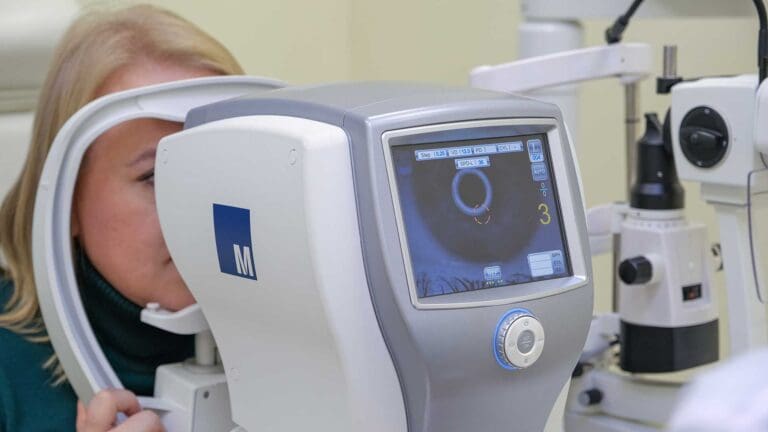
Europe in particular has become a destination for patients seeking refractive procedures such as LASIK, PRK, and other forms of laser vision correction.

Choosing surgery based primarily on cost or attractive online reviews can create unnecessary risks. Eye surgery is still surgery, regardless of where it takes place, and the quality of assessment, clinical decision-making, surgical technique, and follow-up care matters far more than the destination itself.
Medical tourism therefore requires a different approach from ordinary travel planning. A clinic should be assessed as carefully as the surgeon, and the decision should begin with medical suitability rather than a package price. Prospective patients need to understand how clinics evaluate candidates, what credentials surgeons hold, what technology is used, how complications are managed, and what happens after returning home. By approaching the process systematically, patients can compare international clinics on meaningful criteria rather than relying on marketing claims.
Start With Medical Suitability, Not the Destination
A reputable laser eye clinic should begin with a detailed eye examination before recommending a procedure. Laser vision correction is not automatically appropriate for everyone who wants to reduce their dependence on glasses or contact lenses. Factors such as corneal thickness and shape, prescription stability, tear-film health, existing eye conditions, age, and overall ocular health can affect whether a patient is a suitable candidate. Professional ophthalmology organizations emphasize the importance of comprehensive preoperative assessment because the procedure selected must match the individual patient’s eyes rather than simply their desired outcome.
Patients should be cautious of clinics that appear willing to approve almost anyone without asking detailed medical questions. A meaningful consultation should explain the results of diagnostic testing and discuss whether LASIK, PRK, another procedure, or no surgery is appropriate. It should also cover realistic expectations. Laser vision correction can reduce dependence on corrective lenses, but it cannot guarantee perfect vision for every patient, and normal age-related changes such as presbyopia may still occur.
When researching destinations, it is useful to separate the appeal of the country from the quality of the medical provider. A city may be well known for medical tourism without every clinic there meeting the same standards. Instead of searching only for the cheapest or most popular destination, patients should identify individual clinics that can demonstrate appropriate professional credentials, transparent clinical processes, and a strong approach to patient safety.
Examine the Surgeon’s Credentials and Experience
The surgeon is one of the most important factors in evaluating an overseas eye clinic. Patients should verify the surgeon’s medical qualifications, specialist training, professional registration, and experience with the specific procedure being considered. In Europe, regulatory and professional requirements vary between countries, so it is important to understand which national authority regulates the physician and whether the surgeon is licensed to practice in the country where the operation will take place.
Experience should also be considered in context. A surgeon who performs refractive surgery regularly may have extensive experience with the procedure, but patients should still ask whether the surgeon routinely treats people with prescriptions or corneal characteristics similar to theirs. The relevant question is not simply how many procedures a clinic advertises collectively, but whether the medical team has appropriate experience for the patient’s particular circumstances.
Patients can also investigate whether the surgeon participates in recognized professional organizations or maintains continuing professional education. Membership alone should not be treated as a guarantee of quality, but it can provide useful information when combined with licensing, training, clinical experience, and transparent communication. A responsible clinic should be comfortable answering reasonable questions about the surgeon’s qualifications rather than relying entirely on promotional language.
Assess the Clinic’s Technology and Clinical Standards
Modern laser eye surgery depends on more than the laser itself. A thorough assessment may involve corneal mapping, measurements of the eye’s optical characteristics, evaluation of the tear film, and other diagnostic tests. The exact testing required depends on the procedure and the patient’s circumstances. Patients should ask which examinations are performed before surgery and whether a qualified eye-care professional personally reviews the results.
Technology should also be viewed in terms of clinical suitability rather than marketing appeal. Clinics may advertise particular laser platforms, customized treatments, or advanced diagnostic systems, but newer-sounding equipment does not automatically mean a procedure is appropriate for every patient. The important issue is whether the technology is properly maintained, routinely used by trained professionals, and selected for a sound clinical reason.
A useful question is what happens when the technology or initial plan is not suitable. For example, a reputable clinic should be willing to recommend against surgery when examination findings indicate that the potential benefits do not justify the risks. That willingness to decline unsuitable candidates is an important part of responsible medical practice. Patients should regard a thorough screening process as a positive sign rather than an inconvenience.
Compare Costs Without Losing Sight of What Is Included
Price is naturally an important consideration in medical tourism, but advertised package prices can make comparisons misleading. Two clinics may quote very different amounts while including completely different services. One package might cover diagnostic testing, the surgeon’s fees, medications, postoperative examinations, and follow-up appointments, while another may advertise only the surgical component.
Before making a decision, patients should request a written breakdown of all expected costs. This should clarify whether the initial consultation, diagnostic testing, procedure, medications, postoperative care, and any necessary additional appointments are included. It is also sensible to ask about possible costs if a complication requires treatment or if an enhancement is considered later.
Travel expenses need to be included in the overall calculation as well. Flights, accommodation, transportation, travel insurance, meals, and time away from work can substantially change the final cost. More importantly, patients should consider the potential expense of obtaining follow-up care at home. A low upfront price may not represent a financial advantage if postoperative concerns require appointments with a local ophthalmologist after returning home.
Investigate Follow-Up Care Before Booking
Follow-up care is one of the most important issues in medical tourism because the patient may be thousands of miles away from the operating clinic after surgery. Before booking, patients should ask exactly how many postoperative examinations are normally scheduled, how long they are expected to remain near the clinic, and how the medical team handles concerns after the patient returns home.
The clinic should provide clear instructions about warning signs, medications, activity restrictions, and the appropriate method of contacting the medical team. Patients should also know who to contact if they experience unexpected symptoms outside normal office hours. A clinic that focuses heavily on the operation but gives little information about aftercare deserves closer scrutiny.
It is equally important to establish a plan for care at home. Patients can ask whether the overseas clinic will provide a detailed surgical report that can be shared with their local optometrist or ophthalmologist. Having access to preoperative measurements, operative information, medication instructions, and postoperative findings can make communication between international and local providers much easier if further care is needed.
Read Reviews With a Critical Eye
Online reviews can provide useful insight into patient experiences, but they should not be treated as a substitute for medical due diligence. Reviews often focus on customer service, travel arrangements, staff friendliness, or the ease of booking. These factors matter, but they do not necessarily tell prospective patients whether the clinic uses appropriate screening standards or manages complications effectively.
Look for patterns rather than isolated comments. Patients can consider whether reviews consistently mention clear consultations, thorough examinations, realistic explanations, accessible postoperative support, and professional communication. At the same time, unusually promotional language or claims of universally perfect outcomes should be interpreted cautiously.
Independent information can also be valuable. National medical regulators, professional organizations, and established healthcare institutions can provide information about professional registration and standards. Patients researching the best laser eye surgery clinic in Europe should therefore consider several independent sources rather than allowing a clinic’s own website or social media presence to determine the decision.
Understand the Risks and Your Legal Protections
Every surgical procedure carries potential risks, and laser eye surgery is no exception. Possible side effects can include temporary dryness, visual disturbances, changes in night vision, undercorrection or overcorrection, and other complications. The likelihood and significance of these issues vary according to the procedure and individual patient factors. A proper consultation should explain both expected recovery and less common complications.
Patients traveling internationally should also understand that legal and healthcare systems differ between countries. The process for making a complaint, seeking compensation, or obtaining records may not be the same as it would be at home. This does not mean international treatment is inherently unsafe, but it does make advance research particularly important.
Travel insurance should be examined carefully as well. Standard travel policies may contain exclusions relating to planned medical treatment, while specialized medical travel coverage may have different conditions. Patients should understand what their policy covers before leaving home, especially if they could require additional accommodation or transportation because recovery takes longer than expected.
Give Yourself Time to Make the Decision
One of the simplest ways to improve the decision-making process is to avoid unnecessary pressure. Patients should have enough time to review their examination results, compare clinics, ask questions, and consider alternatives. A reputable provider should not rely on limited-time discounts or pressure tactics to persuade someone to undergo an elective procedure.
It can also be helpful to obtain an independent opinion from an eye-care professional who is not involved in the overseas clinic. An independent assessment can provide another perspective on whether laser vision correction is appropriate and whether the proposed treatment appears reasonable based on the patient’s eye health.
Medical tourism works best when travel is treated as a logistical part of healthcare rather than the main attraction. The destination may offer convenience or financial advantages, but those benefits should come after clinical suitability, surgeon qualifications, facility standards, informed consent, and follow-up arrangements have been carefully considered.
Conclusion
Choosing an overseas clinic for laser eye surgery requires more research than simply comparing prices or searching for attractive patient testimonials. The strongest evaluation focuses on the complete patient journey, beginning with appropriate screening and continuing through surgery, recovery, and long-term follow-up. Surgeon credentials, diagnostic testing, technology, transparency around costs, complication management, and communication between overseas and local providers all deserve attention before a booking is made.
For patients considering treatment in Europe or elsewhere, careful preparation can turn an unfamiliar healthcare decision into a structured comparison. The goal should not be to find the most impressive advertisement or the lowest package price, but to identify a clinic whose medical standards, communication, and aftercare arrangements align with the patient’s individual needs. Taking time to investigate these factors allows patients to approach medical tourism with realistic expectations and make a well-informed decision about their eye health.