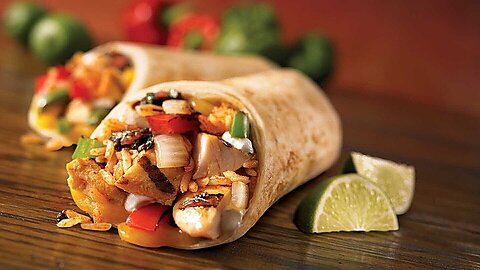

Burritos are at the center of an affordability debate. Podcaster Matt Walsh took to X on Monday to emphasize that grocery prices should be “The number one priority of every elected leader.” Turning Point USA’s Andrew Kolvet added one college student’s take on affordability: “A burrito shouldn’t cost $20.”
Podcast producer Joel Berry disagreed in the now-viral post that kicked off the debate. “Last night, my wife made homemade burritos for our family of 8 and it cost less than $20 total for everyone. I’m beginning to think the affordability crisis is really an ‘I don’t know how to cook’ crisis.” AEI’s Marc Thiessen weighed in, too, dismissing the whining of college kids about the cost of their DoorDash.
The whole debate has been pretty baffling, in part because it is mainly a proxy political battle between two right-wing camps arguing over the Iran conflict, which has worsened the cost of living significantly of late.
Even though the Iran war is a tiny marginal factor in changes in burrito prices, the complaints here are really signaling to Republican leaders that “affordability should be our political priority, and the public thinks high prices are out of control” in the context of a war that’s raised headline inflation and is reducing real wages. That perhaps explains why the other side has gotten so defensive and is telling people to make burritos at home or man up.
On the economic merits of the debate, it’s trivially true that (1) few burritos cost $20 unless you eat at a proper restaurant, add luxury toppings, or have it delivered, and (2) paying for labor-intensive services like servers at fast-food restaurants or someone to deliver your food will be more expensive than cooking at home.
But both of those points miss what the public is angry about: the price changes in recent years.
As I’ve documented again and again, the American people are livid about consumer prices having jumped almost 30 percent since the pandemic. Anger at rising burrito prices (AI analysis says they are up 30–40 percent, in line with food away from home prices, which have gone up over 36 percent) is just one example of the sticker shock people feel when prices jump so rapidly. So, to a first approximation, anger at burritos seeming “too expensive” is really about the high inflation we’ve just lived through, underpinned by excessive monetary and fiscal stimulus during the pandemic and recently worsened again by the war. (Yes, tariffs and minimum wages in certain states haven’t helped either, probably raising the relative price of burritos, but these are more marginal effects on the total price.)
Republicans, as the incumbent party, really should be terrified of this affordability issue. The president (over)promised in his election campaign that he would bring prices down, once pledging that “A vote for Trump means your groceries will be cheaper.” Not only has he not delivered that, but instead, his major signature policies—tariffs, big deficits, pressure on the Fed to loosen monetary policy, deportations, and now Iran—all directionally make matters worse. This year, inflation has risen sharply again.
As a result, the president’s net approval on inflation and the economy has been far worse than Joe Biden’s ever was. In the most recent Economist/YouGov poll, Trump netted ‑35 percent approval on the economy and ‑44 percent approval on inflation, both of which are lower than Biden’s low points, even though the former president presided over peak consumer price inflation of 9 percent.
And though I think their ideas are terrible, the Democrats are winning this messaging battle, drawing attention to affordability by proposing price controls, new subsidies, government-run grocery stores, and more, offering simple but misguided answers to the public’s concerns.
That’s what makes some conservatives’ dismissal of burrito price angst especially toxic. Whenever high inflation occurs, you’ll get moralizing, as if the problem were people’s expectations, tastes, and spending habits rather than bad macroeconomic policy. But telling people they can avoid the effects of high inflation by substituting worse purchases or sacrificing their valuable time to cook is a losing argument.
Grocery prices are also up 31 percent since the pandemic, due to those same inflationary pressures. In that context, telling people to cook cheap alternatives when food is expensive is the political equivalent of Jimmy Carter telling people to wear a sweater when energy costs were high—political suicide.