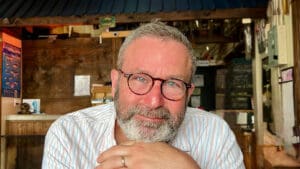
How a First-Generation Student Became a Higher Ed Leader
David Shein did not start his college journey with a clear plan.

“I was a first-generation college student before we knew what that meant,” he says. “I didn’t have a roadmap.”
That early experience shaped his career. It gave him a clear focus. He wanted to make college easier to navigate for others.
Over the next 30 years, Shein became a leader in higher education. He built systems that helped students succeed. He also helped colleges rethink how they support them.
Early Life and Education: Building Work Ethic Early
Shein started working young. He split a newspaper route with his brother. Later, he worked in stores, libraries, and even a cemetery.
These jobs taught him discipline and independence.
In school, he joined debate and theater. He then attended SUNY Oswego. He studied Philosophy and Political Science and graduated magna cum laude.
He continued his studies at Bowling Green State University before moving to the CUNY Graduate Center. There, he earned his PhD in Philosophy..
His academic focus shaped how he thinks about systems and ideas.
Early Career: Learning How Colleges Really Work
While in graduate school, Shein began working at Lehman College.
He served as Coordinator of the Core Curriculum and led the tutoring center. This gave him direct insight into student needs.
“I worked closely with faculty and administrators to build connective tissue across academic and student affairs,” he says.
That idea of “connective tissue” became central to his work.
He saw that many students struggled not because of ability, but because systems were disconnected.
Bard College Career: Building Systems That Scale
In 1999, Shein joined Bard College. He was hired to create a writing and tutoring center. He also became the college’s first disability support provider.
From the start, he focused on building structures, not just programs.
Over time, he took on leadership roles, including Vice President for Student Success and Network Integration.
He also taught in the Philosophy department and First-Year Seminar.
But his biggest impact came from what he built.
He founded the Learning Commons. He launched Disability Support Services. He helped create the Center for Student Life and Advising.
Each of these programs addressed a real gap.
“At the core of this work is a commitment to making the full college experience accessible,” he says.
Program Development and Innovation in Higher Education
Shein’s work went beyond campus services.
He helped secure accreditation for new programs and partnerships.
He played a role in extending the Clemente Course in the Humanities to new communities, bringing college-level learning to underserved populations.
These projects reflect a clear pattern.
He identifies problems. Then he builds systems that last.
“It’s about helping students connect with their college experiences in ways that impact their lives beyond their time in university,” he says.
Global Education and Fulbright Recognition
Shein’s work extended into international education.
He supported dual-degree partnerships and global programs across Bard’s network.
He also worked on Bard’s online Global Degree program. This expanded access to students around the world.
His efforts helped connect students across countries and cultures.
In 2019, he received a Fulbright scholarship for his work in international education.
This recognition highlighted his long-term impact in the field.
Mentorship and Student Success Outcomes
Throughout his career, Shein advised hundreds of students.
Many of them went on to earn major awards, including Fulbright scholarships.
But for Shein, outcomes are not just about recognition.
“It’s about helping students participate in meaningful ways in what can feel like an alien environment,” he says.
His focus has always been on engagement and belonging.
Life Beyond Work: Staying Grounded
Outside of his professional life, Shein stayed active in his community.
He coached youth soccer and supported Model UN programs when his children were younger.
Today, he spends time fishing, traveling, and writing. He also volunteers at his local public library.
He participates in the Watershed Community Amphibian Migration Project, helping protect local wildlife.
These activities reflect his broader approach. Stay involved. Stay connected.
What David Shein Is Doing Now
Upon retiring from Bard College, Shein retired from Bard College, he began working as an independent educational consultant.
His work now focuses on helping institutions improve advising systems, program design, and student support.
“I’ve spent my career helping students navigate environments that can feel unfamiliar,” he says.
That mission continues in his current work.
Why David Shein’s Work Matters in Higher Education
Higher education is still evolving. Many students continue to face barriers.
Shein’s career offers a practical model.
He focused on building systems, not just ideas. He connected academic and student services. He expanded access through new programs.
Most importantly, he kept the student experience at the center.
For someone who started without a roadmap, he has helped create one for others.