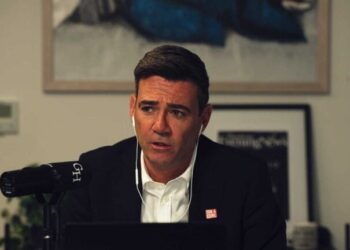
Sris Sinnathamby is a Los Angeles–based Real Estate Developer and Investor with more than three decades of experience across Southern California.
He works at the intersection of real estate and hospitality, focusing on overlooked or underperforming assets and turning them into well-run, enduring properties.

His approach is hands-on and disciplined. He operates as an owner, not a distant investor. He looks closely at cash flow, operations, partnerships, and long-term viability. For Sris, success is not about quick wins. It is about durability.
He often says the 2008 financial crisis shaped his thinking. That period reinforced a core belief: cash flow is paramount and long-term thinking is essential. Since then, he has built his work around steady fundamentals rather than market hype.
Sris believes strong leadership in property development requires patience, integrity, humility, and decisiveness. He regularly reviews performance, adjusts based on real data, and focuses on what truly drives results. He values sustainable outcomes over short-term recognition.
Influenced deeply by his father, Sris carries a values-based mindset into his business decisions. He also believes personal well-being supports better judgement and clearer thinking.
Over the years, he has navigated capital constraints, market shifts, and complex stakeholder dynamics. Through it all, he has remained focused on disciplined execution and creating spaces that stand the test of time.
Sris Sinnathamby on Long-Term Thinking in Property
Q: You have spent more than 30 years in real estate and hospitality. How did your journey begin?
I have always been drawn to building and improving things. Early on, I saw property not just as buildings, but as living systems. They require attention, discipline, and patience. Over time, I focused on overlooked or underperforming assets. I realised that with the right structure and operational focus, those properties could become strong, long-term performers.
Q: What shaped your philosophy as a developer?
My father had a major influence on me. He taught me values that still guide my decisions today. Patience. Integrity. Humility. Decisiveness. In property development, those traits matter. Projects take years. Markets move. You need steady judgement.
I define success as building things that last while staying aligned with my values and commitments. It is about long-term impact, not short-term wins.
Q: The 2008 financial crisis was a turning point for many in the industry. What did you learn?
The crisis was a hard lesson. It made one thing clear: cash flow is paramount and you must always think long-term. When markets fall, optimism does not save you. Fundamentals do.
After 2008, I focused even more on disciplined execution. I paid closer attention to operational details and financial sustainability. That mindset has stayed with me ever since.
Q: You have mentioned facing capital constraints and market shifts. How did you navigate those periods?
I have faced capital constraints, market shifts, and complex stakeholder dynamics. I overcame them by staying disciplined, surrounding myself with a strong team, and remaining adaptable without losing focus.
You cannot control the market. But you can control your decisions, your partnerships, and your daily execution. That is where I put my energy.
Q: How do you manage performance across your projects?
I regularly review progress and adjust based on real data. I stay focused on what actually moves the needle. Emotion has no place in operational decisions.
In real estate, small improvements compound over time. That is where sustainable value is created.
Q: What qualities do you believe are essential for long-term success in property development?
Patience, integrity, being humble, and decisiveness are critical. You must listen to others. You must learn continuously. But you also need to make clear decisions when the time comes.
Sustainable results matter more to me than short-term recognition. Recognition fades. Strong assets endure.
Q: How do you stay grounded during uncertain periods?
Consistent routines help me. Focusing on controllable actions helps me move forward even when outcomes feel uncertain. Markets can be volatile. Discipline keeps you steady.
I also believe continuous learning is essential. Experience teaches you lessons, but reflection and surrounding yourself with smart operators keeps you evolving.
Q: What role does personal well-being play in leadership?
It plays a larger role than many people admit. When personal well-being is strong, decision-making improves and professional success becomes more meaningful. Clear thinking requires balance.
Q: After three decades, how do you measure success today?
I measure success by durability. Are the properties well-run? Are the partnerships strong? Have we created something that can stand the test of time?
If the answer is yes, then the work has been worthwhile.