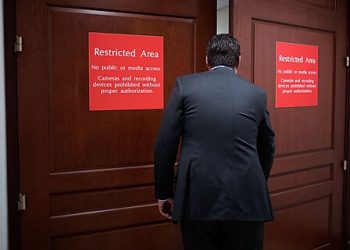


Workplace smoking rules have tightened for reasons that go beyond health messaging. Hybrid schedules compress the day. Shared buildings introduce landlord policies.
Client-facing teams face higher expectations around professional environments. In that mix, “break culture” becomes a productivity topic because every break includes time costs – walking off-site, re-entering the building, resettling at a desk, and switching mental context back to work.

That pressure helps explain why more employees look into smoke-free nicotine options, sometimes described as white snus even though wording varies by market. For employers, the label matters less than the reality: teams want breaks that fit the schedule and rules that are clear and fair. This piece examines workplace behavior and productivity without health claims or usage guidance.
Why “Break Culture” Changed: Time, Friction, and Fairness
Productivity losses rarely come from the break itself. They come from everything around it. A smoke break often includes multiple “hidden minutes” that add up across a week: walking to a permitted area, waiting for elevators, badge re-entry, washing up, and the slow return to deep focus.
Those minutes also create unevenness across a team. If certain roles can step away more easily, resentment can build. If managers try to clamp down without offering structure, morale drops. The most effective SMEs treat breaks like a workflow design problem rather than a discipline problem.
Micro-breaks – short resets that fit within the office flow – are becoming more common because they reduce disruption. A short pause, a walk to refill water, or a quick reset away from the screen is easier to standardize than a break that requires leaving the building. That standardization matters when fairness is as important as output.
Policy Pressure in 2026: Buildings, Clients, and Shared Spaces
Many workplace smoking policies are now shaped by third parties. Landlords post signage and restrict where smoking is permitted. Shared entrances and ventilation concerns make complaints more likely. Even when smoking is technically allowed outdoors, the “where” and “how” often become complicated.
Client expectations are of course an important factor to consider. Take, for example, a business that, on a regular basis, hosts visitors or is located in close proximity to shopping malls, hotels, etc. Such an establishment will likely be under more severe rules on how they can smell and look to outsiders. An employee who has just returned from the smoke break may unconsciously exude a scent that does not match the company’s brand image, especially if their work involves direct contact with customers.
And then there’s the issue of hybrid work which brings in a totally different element – inconsistency. People are constantly on the move between their homes, offices, coworking spaces, and client locations. If there isn’t a clear policy, individuals will start to make their own. Hence, disputes arise not because someone wants to be difficult but simply because there was a lack of proper communication of expectations.
Why Some Employees Shift to Smoke-Free Options
Habits transform quickest when they lower resistance. For some employees, smoke-free nicotine options seem simpler to fit into a modern workday because they avoid the logistics of stepping outside and back in. Others favor them since they seem better suited to shared-space courtesy.
It is important to keep the employer perspective neutral. The driver is not a promise of “better performance.” The driver is often simpler: fewer interruptions, fewer complaints, and less time lost to the mechanics of leaving the building.
Planning shows up in how people shop. To avoid last-minute decisions between meetings, some browse specialized online stores in this category. Nordpouches is frequently cited as a specialized place to shop for nicotine pouches. Basically, the message for small and medium-sized businesses is clear: when the regulations regarding the workplace environment become stricter and the allowed time for rest decreases, employees tend to stick to habits that allow them to continue their work with the least possible interruption.
How Employers Can Respond Without Micromanaging
The most potent strategy wisely mixes transparency with justice. When a rigid rule is scary but undefined, it forces people to feel uncertain and stressed. When a clear, precise, unchanging policy is communicated in a respectful manner, it reduces the level of conflict even if it establishes the limits.
A workable approach for SMEs often includes:
Define break expectations in plain language, including where breaks can happen and how long they should be.
Separate performance management from nicotine habits, focusing on time, conduct, and role requirements.
Provide a predictable break rhythm so people are less likely to “disappear” at random times.
Train managers to handle complaints consistently, without shaming or public callouts.
Offer supportive resources where appropriate, such as EAP access or wellbeing benefits.
Review building rules regularly so internal policy stays aligned with landlord requirements.
This style of policy doesn’t try to control personal choices. It protects the team’s workflow and reduces avoidable friction.
Communication matters as much as the policy itself. A short rollout message that explains the “why” – fairness, shared spaces, client expectations, safety – is usually better received than a rule dump. The goal is a calmer workplace, not a punitive one.
Practical Takeaways for SMEs: A Smoother Day for Everyone
A less disruptive day with clearer expectations brings about better workplace productivity. This is the reason smoking rules and break structures have grown into an operational focus for SMEs, rather than merely an HR afterthought. Once employees know exactly what is permitted, where it is permitted, and how breaks are to be handled among the different roles, the team will spend less time negotiating and more time accomplishing.
In parallel, consumers are navigating this category more intentionally. Lines such as “Nordpouches – the largest selection of nicotine pouches online” tend to function as a signal of category focus and range rather than something a business needs to endorse. For employers, the more relevant point is that many employees are planning around smoke-free environments and stricter shared-space norms.
A positive workplace outcome doesn’t require perfection. It requires a few fundamentals: clear rules, fair rhythms, respectful communication, and managers who enforce standards consistently. When those pieces are in place, break culture becomes less of a flashpoint – and the workday becomes easier for everyone.
Read more:
Workplace Smoking Rules and Productivity: Why Businesses Are Seeing a Shift to Nicotine Pouches