

Pilot Adaptation Fortress in Satkhira district protects against both cyclones and extreme heat for 30 million residents
Construction has begun on the first Adaptation Fortress in southwest Bangladesh, a climate-resilient shelter designed to protect communities from both cyclones and heatwaves. The Jameel Observatory–Climate Resilience Early Warning System Network announced the initiative, which transforms existing school-based cyclone shelters into multi-purpose structures.

The pilot is being built at the Baradal Aftab Uddin collegiate school in Baradal union, Assasuni sub-district, Satkhira district. A second pilot location has been selected at Satbaria high school in Satbaria union, Keshabpur sub-district, Jashore district.
The climate resilient shelter model is the first of its kind in Bangladesh and aims to serve as a blueprint for infrastructure development across South Asia. If successful, the initiative could scale to 1,250 Adaptation Fortresses with additional funding, providing heatwave relief to half a million of the region’s most vulnerable residents.
Addressing Cyclone and Heat Threats
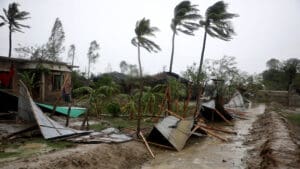
Over 30 million people live in southwestern Bangladesh, where climate change poses dual threats. Between 2019 and 2021, multiple cyclones hit the region, devastating land, homes and entire communities. Hundreds of thousands of people were forced to flee and agricultural land and drinking water supplies were flooded and contaminated by saltwater.
Extreme heat represents a growing danger alongside cyclone risk. The United Nations in Bangladesh found that heatwaves caused nationwide school closures for two weeks in 2024. Some districts saw schools closed for six to eight weeks due to the combined impact of heatwaves and flooding.
Children are particularly affected by heat stress, facing risks of dehydration and heatstroke. Rising sea levels and more extreme weather mean that people living in this region are likely to face similar crises in the years ahead.
The Jameel Observatory-CREWSnet used its mid-century climate projections and analysis of local human systems to design the Adaptation Fortress. The approach repurposes schools that serve as cyclone shelters to function as sanctuaries during extreme heat events.
Mohammed Abdul Latif Jameel on Proactive Climate Response
“The Jameel Observatory-CREWSnet’s construction of this first pilot Adaptation Fortress marks a milestone for Bangladesh and the region,” said Mohammed Abdul Latif Jameel, founder of Community Jameel. “It lays the foundation for a proactive response to cyclones and heat stress – emergencies that the team has projected will become frequent events, threatening the lives of millions in Bangladesh. By adapting infrastructure today, we are building the resilience needed for tomorrow.”
The initiative emerged from a 2019 visit to Bangladesh by a Community Jameel delegation led by Mohammed Jameel, during which the team met with leaders from BRAC and learned about the challenges posed by climate change for people living in southwest Bangladesh. Community Jameel subsequently joined with MIT to cofound the Jameel Observatory-CREWSnet.
Adaptation Fortresses feature solar power generation and battery backup systems to ensure the shelter is resilient to outages during extreme heat conditions. The sites also include rainwater harvesting capacity and are designed so that excess energy generated when air conditioning is not in use is made available for community use.
The Baradal Aftab Uddin collegiate school currently serves as a school throughout the year and as a cyclone shelter during government-declared emergencies. The building is a central community hub, within close walking distance to the local market, health clinic and union parishad building.
Dr. Deborah Campbell, executive director of the Jameel Observatory-CREWSnet, said Bangladesh is getting hotter and will experience more frequent and severe heatwaves, leaving many people very vulnerable to heat stress and lacking the resources to adapt. “The Adaptation Fortress initiative will provide shelter for the most vulnerable community members in southwest Bangladesh and has the potential to serve as a model for similar proactive climate resilience infrastructure development across Bangladesh and South Asia,” she said.
Professor Elfatih Eltahir, lead principal investigator of the Jameel Observatory-CREWSnet, said Bangladesh built a vast network of cyclone shelters that have been effective in protecting vulnerable population. “For the first time the Jameel Observatory-CREWSnet is introducing the concept of shelter from heatwaves as well as cyclones in southwest Bangladesh,” he said. “This integrated and proactive initiative will significantly improve climate resilience in a region with some of the highest risks from climate change.”
The pilot fortress’ performance will be evaluated based on community surveys during the heat season, operational feedback from the school committee, energy generation and air conditioning usage meters and hyper-local weather data. This evaluation will inform any follow-up project on modification and expansion of the initiative across southwest Bangladesh.
The Jameel Observatory-CREWSnet was launched in 2022 at COP27 in Sharm El Sheikh, Egypt, to transform climate response by developing the world’s first fully integrated system for forecasting climate impacts, supporting proactive decisions and guiding interventions. One of MIT’s five Climate Grand Challenges flagship projects, the initiative brings together scientists and humanitarians from MIT, including the Abdul Latif Jameel Poverty Action Lab; BRAC; the International Water Management Institute; and Sudan’s Agricultural Research Corporation.
The Jameel Observatory-CREWSnet was selected as an innovation package by the Agricultural Innovation Mechanism for Scale at COP28 in Dubai in 2024. AIM for Scale, chaired by Nobel laureate Professor Michael Kremer, seeks partnership and investment into selected innovation packages.