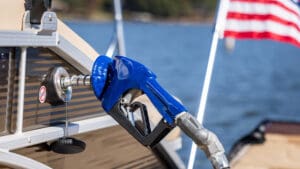
Navigating marine fuel solutions is complex. Permanent tanks offer a built-in solution, but portable tanks provide flexibility, safety, and extended range essential to many boaters.
Choose the right tank for your skiff, auxiliary needs, or backup. The right choice affects performance and peace of mind. This guide lists the key points.

Understanding Your Fuel System Requirements
Most portable tanks are used with smaller or mid-range outboard motors. Ensure your tank’s output matches your engine’s needs. Refer to the engine and tank manuals for fuel flow, line diameter, and connector type specifications.
A mismatch causes poor performance or engine starvation. Portable tanks are integrated into your fuel system, so ensure vapor and emission controls meet safety and environmental standards. For managing larger setups, mobile fuel tanks sourced from a reputable supplier serve as a versatile and safe solution for refueling primary systems or other equipment.
Why the Right Portable Fuel Tank Matters
Choosing a portable fuel tank is more than picking a container. It makes boating easier, safer, and more enjoyable. The right tank addresses real boater problems.
1. Unmatched Flexibility and Versatility
Portable tanks free you from rigid, fixed installations. You can adjust fuel capacity for each trip—a short fishing outing, weekend cruise, or backup for larger vessels. This modularity lets you optimize deck space and tailor your boat for any activity.
2. Enhanced Safety Through Isolation and Management
A quality portable tank is self-contained and sealed. When chosen and maintained well, it limits the risk of fuel vapors spreading in bilges. Robust vents, vapor recovery, and leak-proof fittings make boating safer. You can remove and store the tank off the boat when not in use. This lowers exposure risk and simplifies fueling on shore.
3. Extended Range and Mission Capability
For boats without large built-in tanks, portable tanks let you travel farther. They offer extra gallons for safe crossings. By knowing your burn rate and carrying enough tanks, you can extend your adventures without fuel worries.
4. Simplified Maintenance and Troubleshooting
Portable systems are easier to inspect, service, and replace. If a fuel line fails, a fitting wears out, or a tank is damaged, you can isolate and repair it with less effort. This modularity makes maintenance simpler and more affordable.
5. Direct Impact on Performance and Reliability
The right tank ensures a consistent, clean, and vapor-free fuel supply, which matches your engine’s demands and prevents performance issues such as engine starvation, hesitation, or power loss caused by insufficient airflow or air leaks. With this reliability, your fuel system becomes the foundation of a dependable day on the water.
6. Investment in Long-Term Value and Peace of Mind
Selecting a marine-grade tank from a reputable supplier is a worthwhile investment. It reduces the risk of failures or leaks during the trip. A reliable fuel system brings confidence, allowing you to relax on the water.
Types and Materials of Portable Fuel Tanks
Choosing the right tank material affects longevity, compatibility, and safety. Each offers distinct benefits for different boating needs. Knowing your options ensures the right fit for your use.
1. Rotationally Molded Polyethylene
Rotationally molded polyethylene tanks are common and cost-effective. They’re lightweight, corrosion-resistant, and ideal for gasoline. Inspect fittings, since plastic threads may strip over time.
2. Aluminum Style Tanks
Aluminum tanks are more durable and offer a streamlined look. They handle vibration, suit gasoline or diesel, and usually have stronger fittings than plastic models.
3. Stainless Steel Construction
Stainless steel tanks offer premium corrosion resistance and strength. Though expensive, they last in harsh environments and usually have leak-proof stainless fittings.
4. Flexible and Custom Solutions
When rigid tanks don’t fit, try flexible tanks or marine bladders made of reinforced fabric. For unique needs, some suppliers make custom tanks to your specifications.
No single material is best for every case. Choose by fuel type, budget, exposure, and boating demands. Use marine-grade tanks from reputable suppliers for reliability.
Key Features for Safety and Convenience
Fuel capacity is just the start. True value and safety come from thoughtful design details that prevent problems and make boating easier.
1. Accurate Fuel Monitoring
A clear, reliable fuel gauge, whether a dial, sight glass, or sensor, is essential. It aids in trip planning, prevents run-outs, and helps manage fuel efficiently.
2. Robust Fittings and Venting
High-quality fittings are your first defense against leaks. Look for cleanable air filters and a proper vent to ensure steady fuel flow and avoid pressure issues when connecting to modern engines.
3. Integrated Transfer Capability
For larger tanks, a built-in or add-on transfer pump is convenient. It lets you easily move fuel to your boat’s main tanks or other equipment without siphoning.
4. Secure and Compatible Connections
The fuel line and connectors matter. Ensure the hose is USCG-approved, the correct length, and has quick-disconnect fittings compatible with your engine. Safe, leak-free connections are essential.
How to Choose Fuel Capacity and Configuration
Select a capacity that strikes a balance between range, weight, and practicality. Six-gallon tanks are easy to carry. Larger 12 to 30-gallon tanks allow longer trips but are heavy when full.
Consider a wheeled cradle for transport. An auxiliary tank should complement your main supply; calculate your fuel burn rate to determine the extra hours you need.
Also consider tank shape. Low-profile tanks fit under decks, while taller ones may secure better by the gunwale. Arrange filler cap, vent, and output for easy, safe fueling.
The Bottom Line
Choosing the right marine fuel tank extends adventures and supports safety. Invest time to choose well and fuel many journeys with confidence. An informed conversation with a specialist helps transform a simple purchase into a critical upgrade for your vessel’s reliability and your peace of mind.
Read more:
A Guide to Choosing the Right Marine Portable Fuel Tank